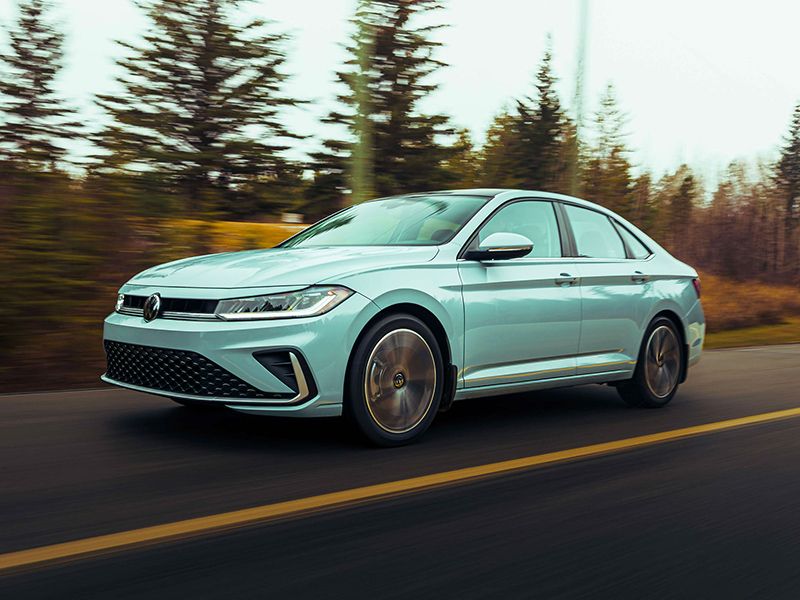
What Makes the 2026 Volkswagen Jetta Different from Japanese and Korean Compact Vehicles?
The compact sedan segment is highly competitive, dominated by offerings from Japanese and Korean manufacturers. The 2026 Volkswagen Jetta stands...
Read more
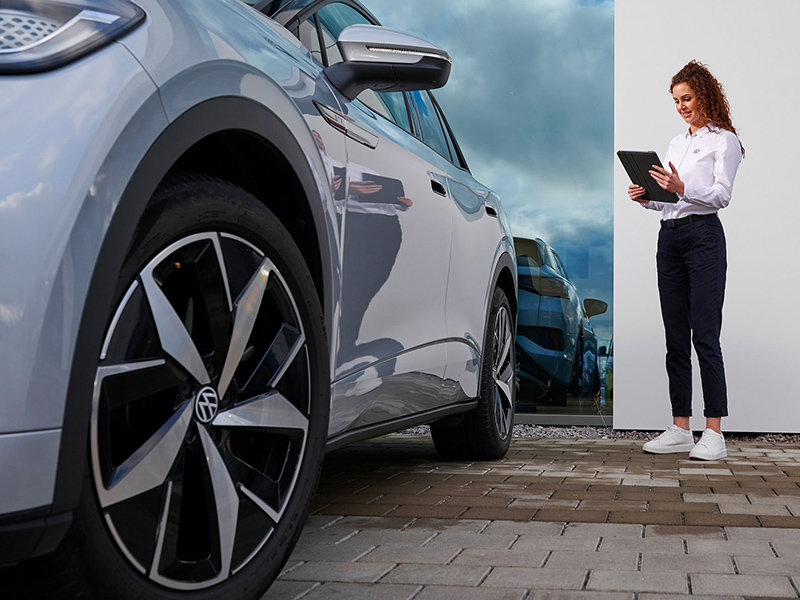
Volkswagen’s 4Motion all-wheel drive system is engineered to enhance control, stability, and confidence in a wide range of driving conditions. Unlike traditional full-time all-wheel drive systems, 4Motion is designed to be intelligent, efficient, and largely invisible to the driver activating only when additional traction is needed.
At the heart of 4Motion is its ability to continuously monitor wheel slip and road conditions. Under normal driving circumstances, power is primarily sent to the front wheels to maximize fuel efficiency. When the system detects loss of traction, it can instantly redirect power to the rear wheels, ensuring optimal grip.
This seamless transition happens in milliseconds, meaning the driver often doesn’t notice the system activating it simply feels like stable, confident driving.
One of the most significant advantages of 4Motion is its performance in poor weather. Snow, ice, rain, and loose gravel are conditions where front-wheel drive vehicles can struggle. By distributing torque to all four wheels, 4Motion reduces wheel spin and helps maintain directional stability.
This added control is especially valuable during acceleration from a stop, climbing inclines, or navigating slippery intersections.
While many drivers associate all-wheel drive exclusively with winter, 4Motion provides benefits year-round. On wet roads or during sudden evasive maneuvers, the system helps keep the vehicle balanced and predictable. In cornering situations, it can improve handling by distributing power more effectively across the axles.
4Motion works in harmony with Volkswagen’s electronic stability control, traction control, and anti-lock braking systems. Together, these technologies form a comprehensive safety network that enhances overall vehicle behavior without requiring driver input.
Because 4Motion is not permanently engaged, it avoids the fuel economy penalties often associated with traditional all-wheel drive systems. Drivers gain the benefits of extra traction only when necessary, making it a practical solution for those who want capability without constant trade-offs.
What Makes the 2026 Volkswagen Jetta Different from Japanese and Korean Compact Vehicles?
The compact sedan segment is highly competitive, dominated by offerings from Japanese and Korean manufacturers. The 2026 Volkswagen Jetta stands...
Read more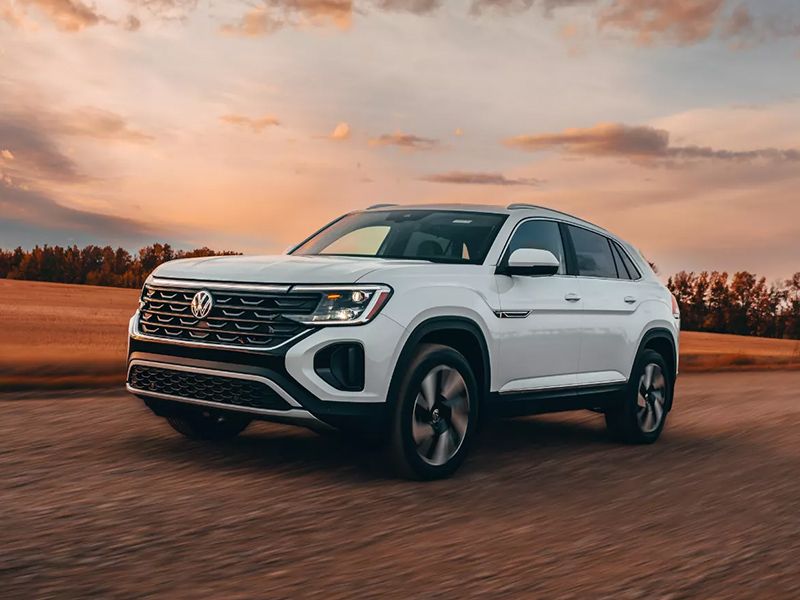
Key Differences Between the 2026 Volkswagen Atlas and 2026 Volkswagen Atlas Cross Sport
Although they share a name and engineering foundation, the 2026 Volkswagen Atlas and the 2026 Volkswagen Atlas Cross Sport are designed to serve...
Read more
Volkswagen 4MOTION AWD Explained: How It Works, Why It Matters, and Who It’s For
All-wheel drive is no longer a specialty feature reserved for off-road vehicles or extreme conditions. Today, it plays a central role in how modern...
Read morePowered and developed by
