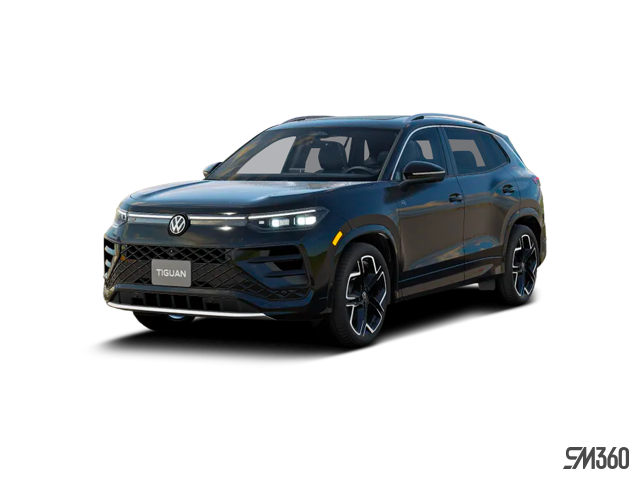
Photo for illustrative purposes only.
Find out more
Volkswagen’s Tiguan has always been about balance—offering space, comfort, and everyday usability in a package that feels thoughtfully engineered. With the third-generation model, that balance shifts slightly toward performance and premium appeal, especially in the form of the new 2026 Tiguan Turbo. This guide breaks down what makes the Tiguan Turbo different, how it fits into the broader Tiguan family, and why it represents a meaningful evolution for one of Volkswagen’s most important vehicles.
Since its introduction in 2009, the Tiguan has steadily grown in size, sophistication, and capability. The second generation expanded interior space and improved refinement, while the third-generation model takes a more decisive step toward premium design and advanced technology. The Tiguan Turbo is a natural extension of this progression—one that prioritizes performance without abandoning the model’s core strengths.
At the centre of the Tiguan Turbo is Volkswagen’s most advanced version of its 2.0-litre turbocharged engine. Producing 268 horsepower and 258 lb-ft of torque, the EA888 evo5 incorporates several technical upgrades, including:
Together, these changes result in an engine that feels energetic yet composed, offering strong performance without compromising everyday usability.
While the Tiguan Turbo isn’t positioned as a sport SUV, its dynamic improvements are noticeable. The additional power is supported by larger, ventilated rear brakes, enhancing confidence during repeated stops or spirited driving. Paddle shifters provide a more engaging experience when desired, while the overall ride quality remains comfortable and well-suited to long-distance travel.
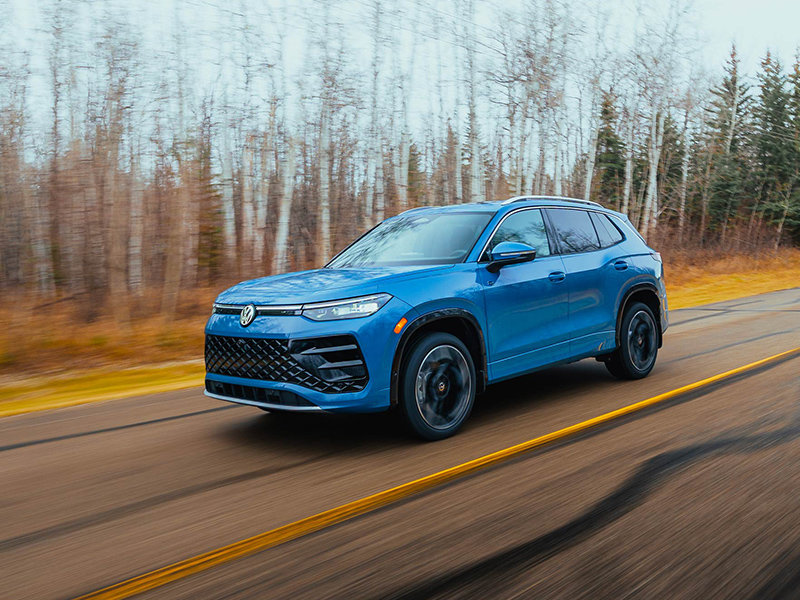
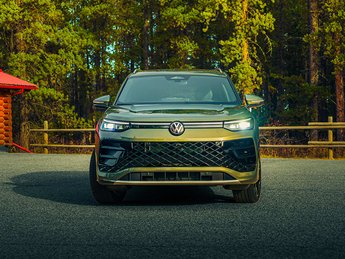
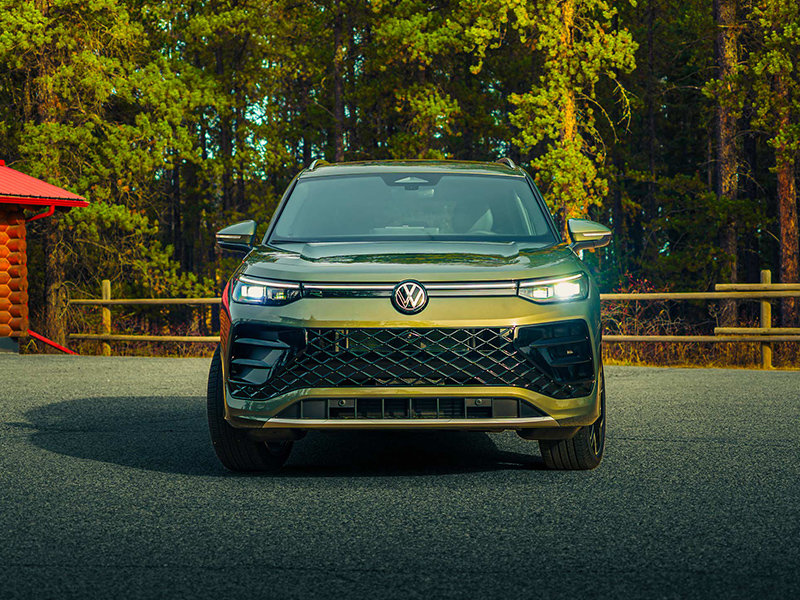
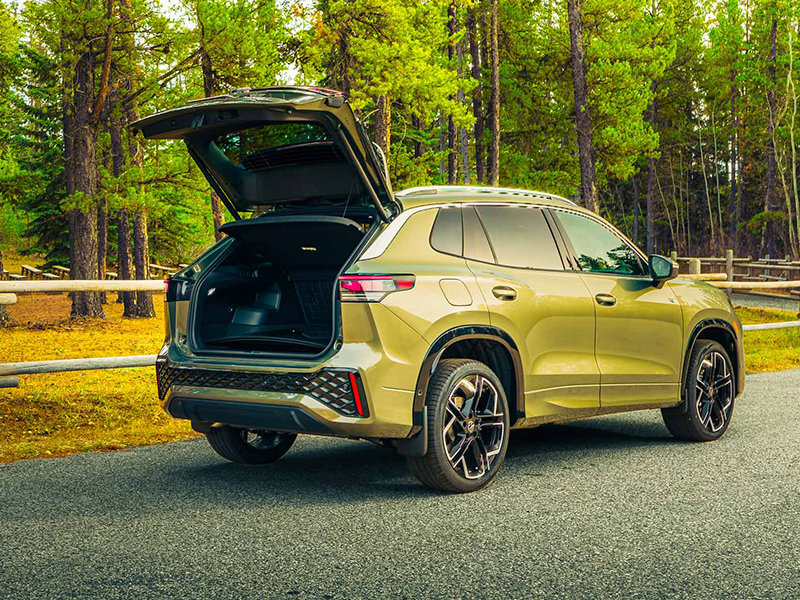
Volkswagen has chosen to offer the Turbo engine exclusively in the Highline Turbo R-Line, simplifying the buying process. This trim includes distinctive exterior elements such as 20-inch York alloy wheels, R-Line bumpers and side sills, illuminated logos, and Turbo badging, giving the vehicle a more assertive presence on the road.
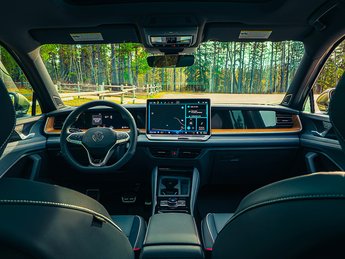
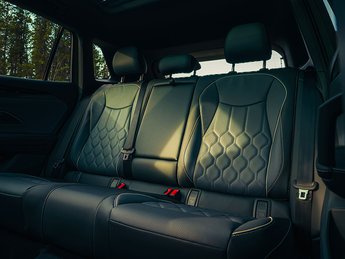
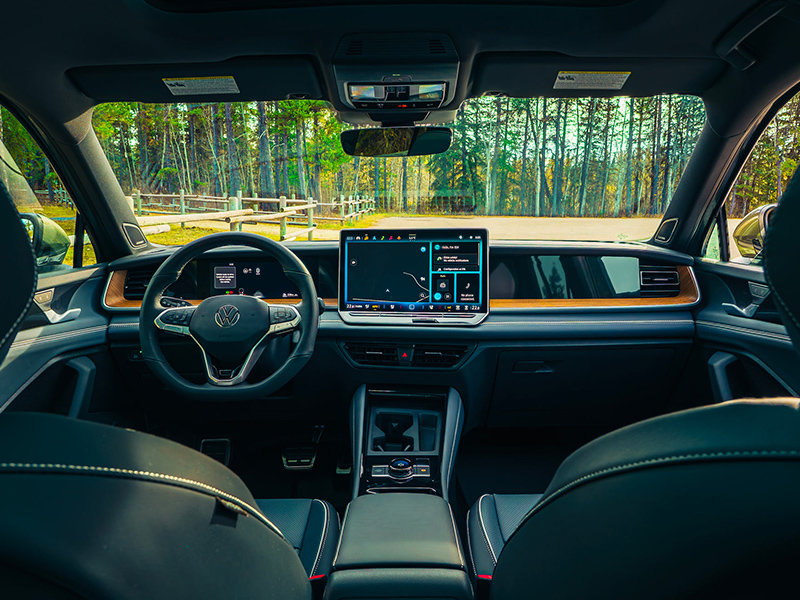
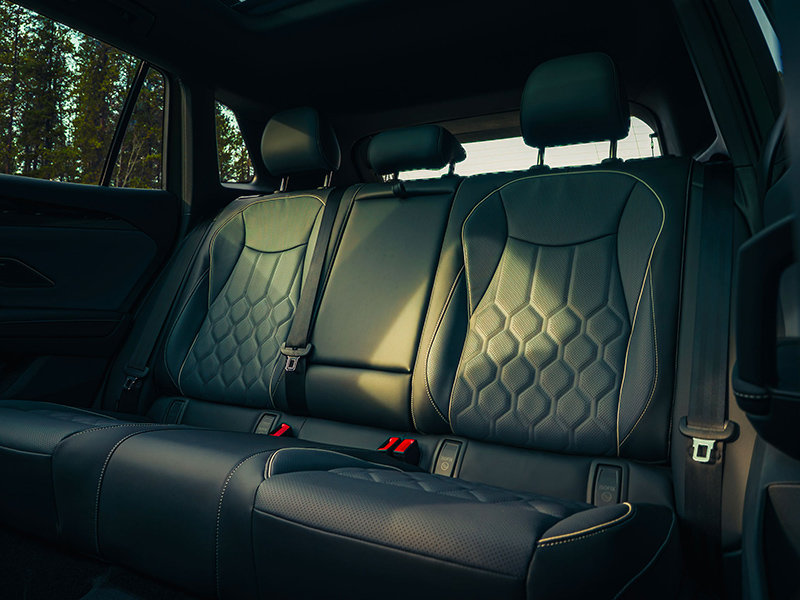
Inside, the Tiguan Turbo sets a new benchmark for the model. Quilted leather seating, open-pore wood trim, and premium materials throughout the cabin create a refined atmosphere. The front seats are ventilated, massaging, and memory-equipped, while the overall layout prioritizes both comfort and functionality.
The Tiguan Turbo benefits from Volkswagen’s latest digital architecture, anchored by a 15-inch touchscreen infotainment system. Combined with a Harman Kardon sound system, customizable ambient lighting, and a comprehensive suite of driver assistance features, the Tiguan Turbo feels thoroughly modern and thoughtfully equipped.
The 2026 Volkswagen Tiguan Turbo represents a clear shift in how the Tiguan is positioned. It’s more powerful, more refined, and more technologically advanced than any Tiguan before it, yet it remains grounded in the practicality that has always defined the model. For buyers seeking a compact SUV that blends confidence, comfort, and genuine performance, the Tiguan Turbo feels like a logical—and compelling—next step.
Photo for illustrative purposes only.
Find out more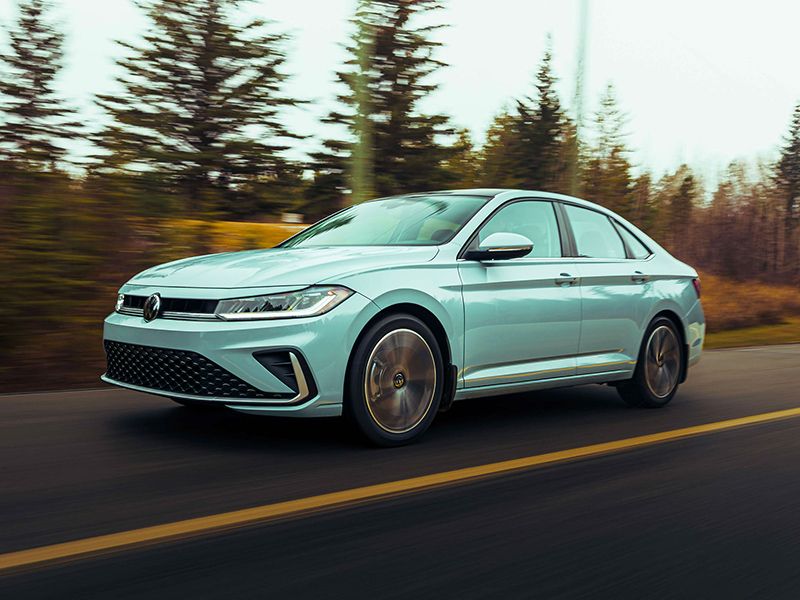
What Makes the 2026 Volkswagen Jetta Different from Japanese and Korean Compact Vehicles?
The compact sedan segment is highly competitive, dominated by offerings from Japanese and Korean manufacturers. The 2026 Volkswagen Jetta stands...
Read more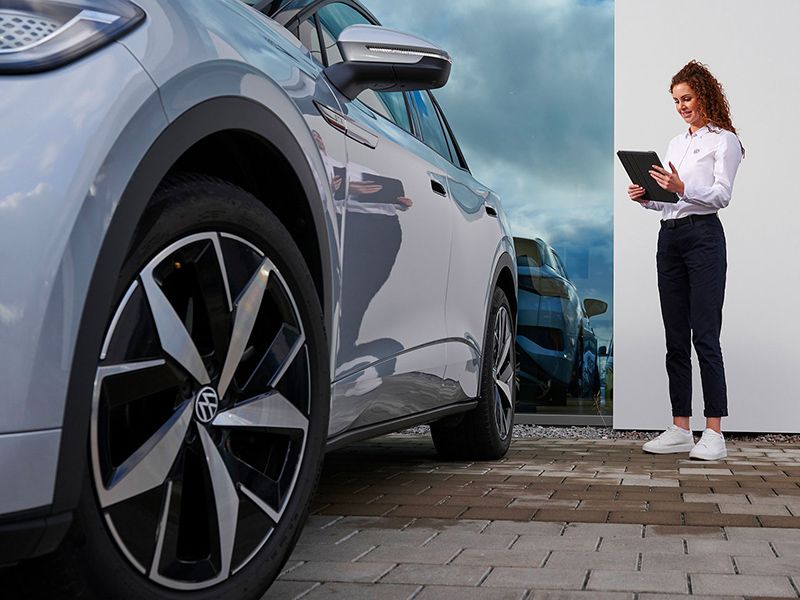
What Are the Benefits of Volkswagen 4Motion All‑Wheel Drive?
Volkswagen’s 4Motion all-wheel drive system is engineered to enhance control, stability, and confidence in a wide range of driving conditions....
Read more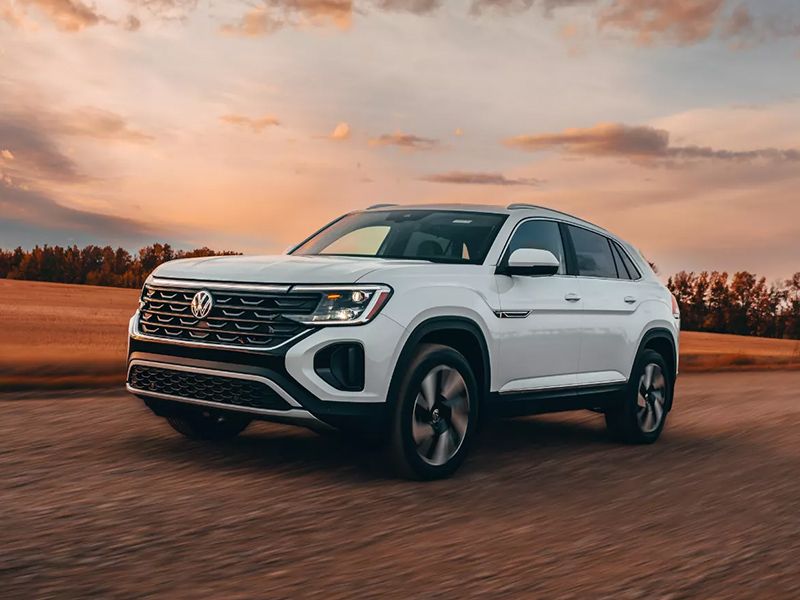
Key Differences Between the 2026 Volkswagen Atlas and 2026 Volkswagen Atlas Cross Sport
Although they share a name and engineering foundation, the 2026 Volkswagen Atlas and the 2026 Volkswagen Atlas Cross Sport are designed to serve...
Read morePowered and developed by
